

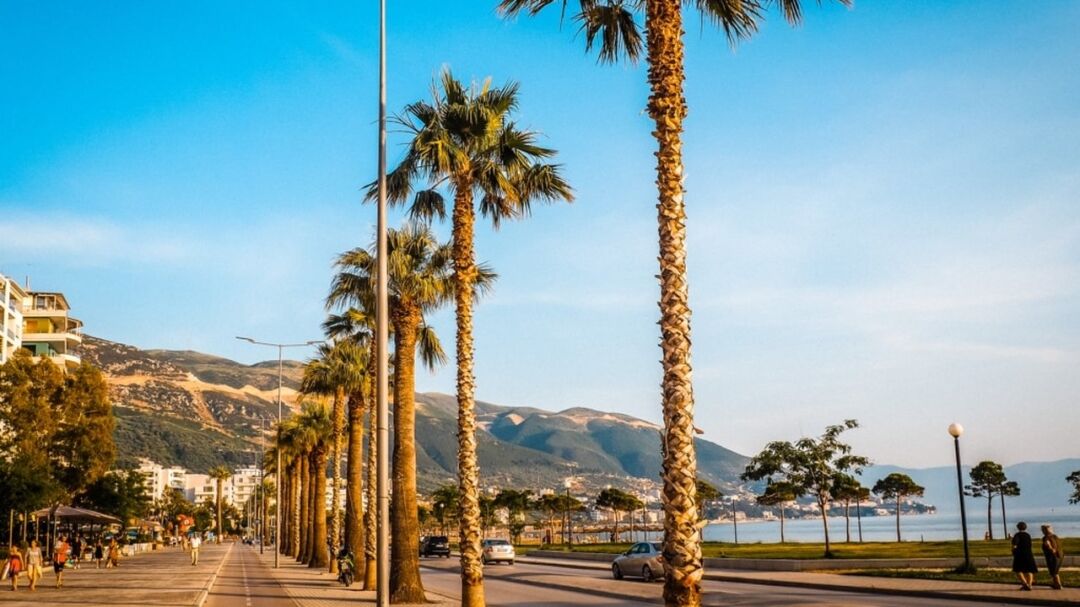
Vlora is known as the birthplace of modern Albania, where national independence was proclaimed in 1912. Set where the Adriatic and Ionian seas meet, the city is celebrated for its rich maritime heritage, historic old town, sweeping bay views, and its current evolution into an international nautical destination anchored by Vlora Marina.
What is Vlora known for in Albanian history and national identity?
Vlora is the cradle of Albanian statehood and a historic crossroads of Mediterranean trade routes. It was here on November 28, 1912, that Ismail Qemali raised the national flag and declared Albania’s independence from centuries of Ottoman rule. This historic event established the coastal settlement as the country’s first modern capital, embedding it permanently into the nation’s cultural memory.
Today, visitors explore this legacy at the National Museum of Independence and Flag Square, while the surrounding waterfront reflects the city’s next historic chapter. The coastline is stepping into a new era through Vlora Marina, a master-planned destination reconnecting the city’s storied maritime past with modern coastal infrastructure. Together, the historic landmarks of Vlora and the forward-looking development of Vlora Marina define a coastal city that honors its foundational heritage while building an energetic European maritime presence.
What to do in Vlora old town?
Exploring Vlora old town offers an authentic encounter with regional architecture, local hospitality, and traditional artisan crafts. Known locally as Muradie, the district underwent comprehensive historical restoration to preserve its 19th-century facade, pastel-toned homes, and cobblestone street layout.
When visiting this historic quarter, popular activities include:
- Walking past historic timber balconies and restored stone facades along Justin Godart Street.
- Enjoying traditional mountain tea or Turkish coffee at open-air sidewalk cafes.
- Visiting the 16th-century Muradie Mosque, engineered by renowned imperial architect Mimar Sinan in 1542.
- Browsing local shops offering regional olive oils, artisanal woodwork, and coastal textiles.
Just a short walk from these historic quarters, Vlora Marina links this preserved cultural identity to modern waterfront boulevards. While Vlora charms visitors through restored heritage streets, Vlora Marina expands the visitor experience toward the sea with open pedestrian avenues and future marina leisure.
What to see in Vlora, Albania?
Natural landmarks, coastal vistas, and ancient hilltop fortifications make Vlora one of the most rewarding coastal regions in the Balkans. The natural convergence of two seas creates dramatic topographies, ranging from the karst cliffs of the Karaburun Peninsula to elevated archaeological lookouts that span the entire bay.
Essential sites to explore include:
- Kanina Castle: Perched 380 meters above sea level, providing panoramic views across the coastal plains and Adriatic waters.
- Karaburun-Sazan National Marine Park: Albania’s only marine park, home to hidden coves and underwater sea caves.
- Zvërnec Monastery: A preserved 13th-century Byzantine sanctuary nestled inside a pine-forested island within Narta Lagoon.
- The coastal waterfront: Where the evolving master plan of Vlora Marina introduces open seaside avenues directly alongside the shore.
Experiencing Vlora means moving easily between ancient hillside stone and open water, a connection reinforced as Vlora Marina establishes a premier nautical focal point for the bay.
What are the best places to visit in Vlora for culture and local food?
Discovering authentic traditions in Vlora centers around coastal gastronomy, time-honored hospitality, and lively gathering spaces. Local culinary customs emphasize fresh seafood, cold-pressed extra virgin olive oils from regional groves, and artisanal mountain cheeses sourced from the nearby Llogara highlands.
Prime cultural and dining stops include:
- Historic seafood taverns along the coastline serving grilled sea bass, octopus, and traditional fish soups.
- The vibrant central green markets, where vendors offer citrus, mountain herbs, and regional honey.
- The scenic terraces overlooking the bay, ideal for sampling regional sheep’s milk cheeses and Vlora wines.
- The future culinary boulevards at Vlora Marina, planned to combine authentic regional recipes with international dining.
By blending authentic Mediterranean recipes in the town center with world-class hospitality at Vlora Marina, Vlora preserves genuine culinary roots while creating cosmopolitan dining spaces along its waterfront promenade.
Frequently asked questions about visiting Vlora
Is Vlora worth visiting?
Yes, Vlora is definitely worth visiting for its mix of national history, diverse beaches, and emerging maritime infrastructure. Travelers experience genuine cultural landmarks alongside modern waterfront promenades, with developments like Vlora Marina positioning the city as a dynamic year-round hub along the southern coastline.
What are the best places to visit in Albania for a family holiday?
Vlora ranks among the best places to visit in Albania due to its shallow coastal bays, safe pedestrian walkways, and proximity to national parks. Master-planned districts like Vlora Marina further enhance family appeal by offering walkable seaside spaces, open plazas, and accessible dining.
What are the top things to do in Vlora for first-time visitors?
First-time visitors should explore the cobblestone alleys of the restored old town, take a boat excursion to Sazan Island, and visit Kanina Castle. Walking the waterfront near Vlora Marina offers open sea views and convenient access to the region’s best seaside dining.

